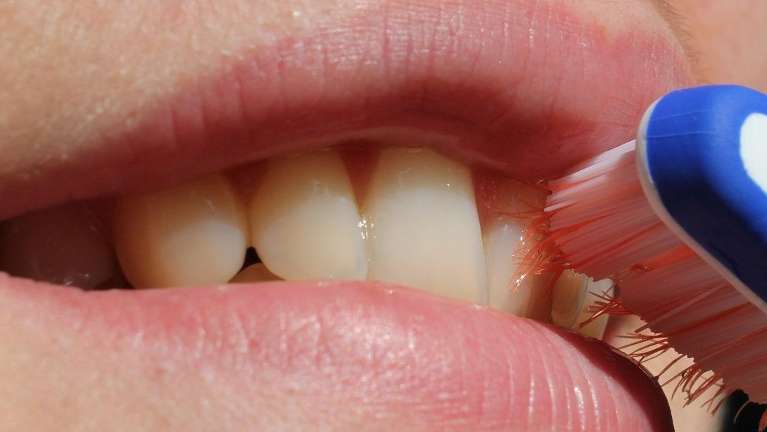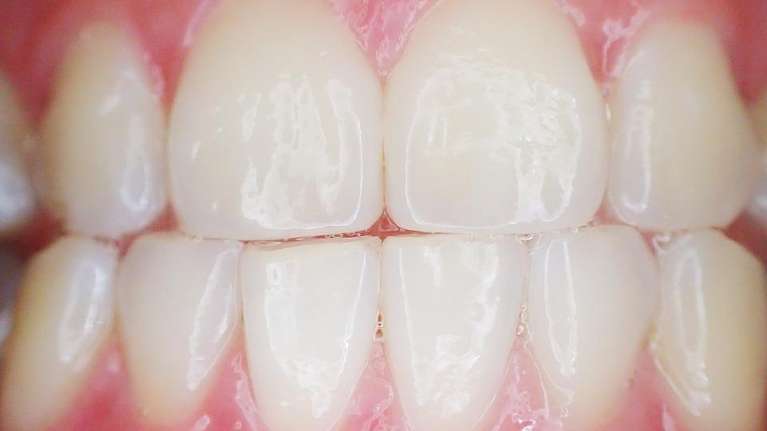
Maybe you've heard the term “conservative dentistry” before, or perhaps you're simply looking for a dentist who won't recommend more treatment than you actually need. That's really what the philosophy comes down to: preserving as much of your natural tooth structure as possible while still providing the care needed to keep your mouth healthy. “Conservative dentistry” is a phrase you'll see on plenty of dental websites, ours included. Here's what it means to us and how that philosophy guides the recommendations we make.
What "Conservative" Actually Means Here
Whenever possible, the goal is simple: prevent problems before they start, preserve healthy tooth structure, and save natural teeth when doing so is predictable and appropriate. In practice, that means recommending the most conservative treatment that will predictably address the problem, rather than doing more than is necessary. When a filling can appropriately restore a tooth, there’s no reason to jump to a crown. And when a natural tooth can be predictably saved, we’ll always consider that option before recommending an extraction.
Why Preserving Natural Tooth Structure Matters
Conservative dentistry is about preserving as much of your natural tooth as possible while still treating the problem appropriately. When a less extensive treatment can predictably restore a tooth, there’s no reason to remove more healthy tooth structure than necessary. And when a natural tooth can be saved, preserving it is usually something worth considering before moving on to replacement options.
A more conservative approach can sometimes mean lower treatment costs as well, but that isn’t the reason for choosing it. The goal is to recommend the treatment that makes the most sense for your long-term oral health. Sometimes that may be a filling, while other situations genuinely call for a crown, root canal, extraction, or another treatment.
This philosophy also reflects an important principle in dentistry: putting the patient’s well-being first and avoiding unnecessary harm. The American Dental Association’s Code of Ethics describes this as the principle of nonmaleficence, or “do no harm.”
Signs a Treatment Plan Is Being Explained, Not Just Handed to You
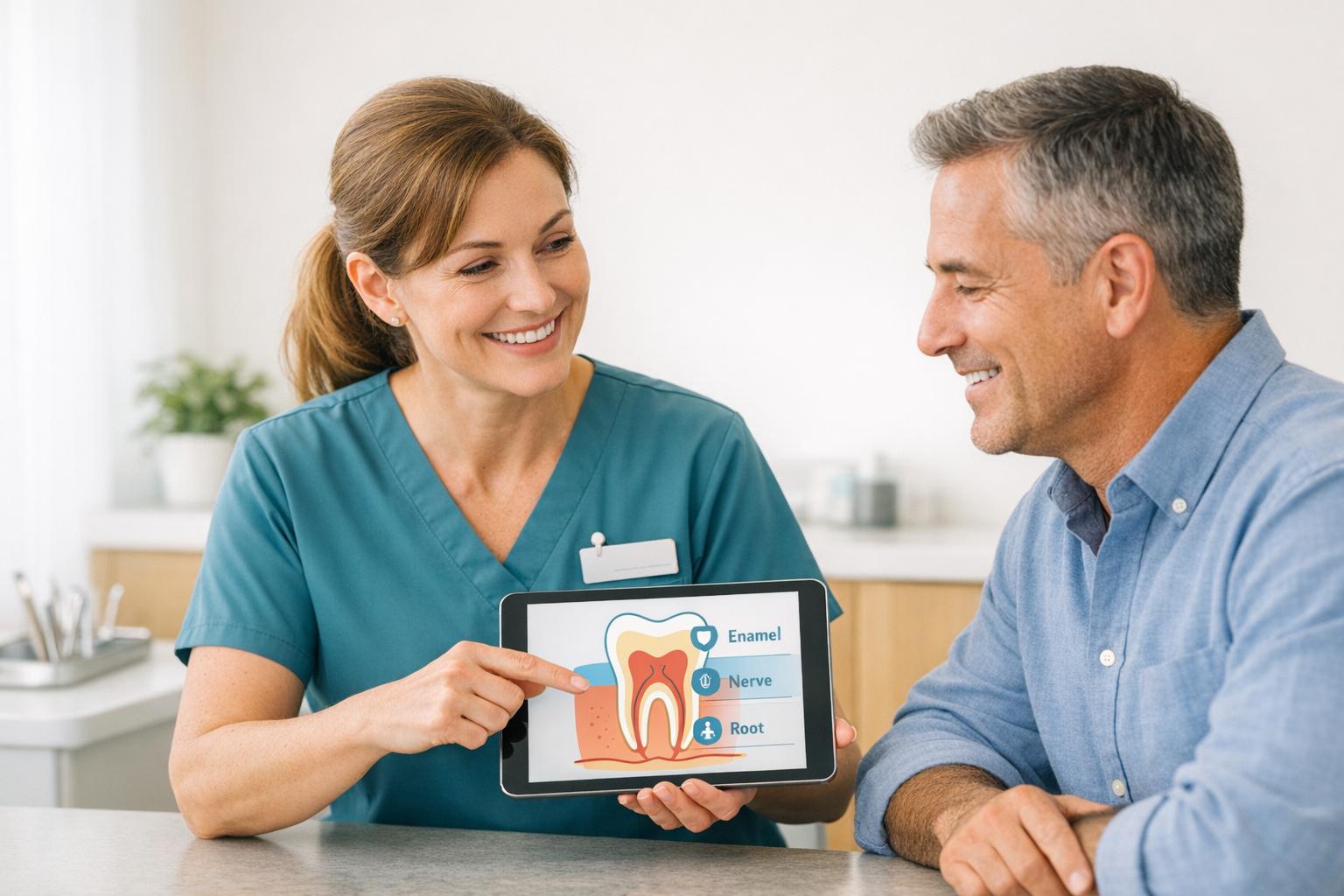
You shouldn't need a dental background to understand why treatment is being recommended. Did the dentist show you what they found, whether on an X-ray or in the mirror, and explain why they're recommending a particular treatment? Did they talk through your options and give you an opportunity to ask questions? A treatment plan should be more than a list of procedures to schedule. You should understand what was found, what is being recommended, and why, so you can feel comfortable making an informed decision about your care.
Getting a Second Opinion Is Okay
Sometimes you may understand a treatment recommendation and still want another perspective before making a decision, especially when more extensive treatment is involved. Getting a second opinion is a normal part of making an informed decision about your dental care. Different dentists may sometimes approach the same situation differently, and another evaluation can help you better understand your options and feel comfortable with the path you choose.
If you do seek another opinion, bringing any recent X-rays or relevant records can be helpful. The goal isn't necessarily to find a different answer. It's to make sure you understand your diagnosis, your treatment options, and why a particular approach is being recommended
How This Shows Up in Practice
Dr. Ahmad's approach is centered around preserving healthy tooth structure and natural teeth whenever possible. That means preventing problems when we can, treating them conservatively when appropriate, and recommending more extensive treatment when it's truly needed. That philosophy isn't limited to any one procedure. It guides how we approach your overall dental care. If treatment is recommended, we'll show you what we see, explain why we recommend it, and make sure you understand your options before moving forward.
Request an Appointment when you're ready.
Call (703) 793-0076 if you'd like a straightforward second look at a treatment plan, your own or one from another office. We'll explain what we see and why, plain and simple