
Pediatric Dentist in Herndon, VA: Gentle Care for Kids of Every Age
Finding a kids’ dentist your child actually likes going to is harder than it sounds. At Tooth Doc Family Dentistry, we see children from their very first tooth through their teen years, and we take it at their pace every time. Parents tell us their kids came in nervous and left happy. That does not happen by accident.
Saturday appointments mean nobody has to miss school. We file your insurance directly, and we participate in Virginia’s Smiles for Children program through Medicaid. Families from our Herndon practice count on us for gentle, no-pressure children’s dental care that fits the whole family, whatever their age or their coverage.
Request an appointment when you are ready. We would love to meet your family.
What Does a Pediatric Dentist Do, and Does My Child Actually Need One?
Children’s dental care covers a lot of ground: first visits for babies, cavity prevention, cleanings, X-rays, sealants, early orthodontic checks, and care for kids who need extra patience in the chair. A family dentist with strong pediatric experience can handle all of it.
Dr. Ahmad has been doing this for more than 15 years. With younger patients, she uses a “tell, show, do” approach: she explains what she is about to do, shows the instrument, then does it slowly so kids know what is coming. That predictability is what takes the edge off for most children. For situations that genuinely call for a specialist, we will say so and point you in the right direction rather than push care that is not the right fit.
We accept most PPO plans, Medicaid, and Smiles for Children for children through age 21. We verify your child's benefits before the visit and walk you through what is covered. Families across Herndon have made our dental practice their home for gentle, no-pressure kids' care.
Pediatric Preventative Care Is the Foundation of a Healthy Smile
Preventive care for kids goes beyond twice-a-year cleanings. Children’s teeth are still developing, their cavity risk shifts as they grow, and habits built early tend to stick. Regular visits also give your child a chance to build a relationship with the dentist that does not feel scary, which matters as much as anything else we do.
Our pediatric preventative care program covers everything a child needs to stay ahead of problems:
- Dental exams and professional cleanings
- Digital X-rays
- Fluoride treatments
- Dental sealants
- Home-care guidance for parents
- Enamel Repair
Everything your child needs to stay on track lives under pediatric preventative care.
Your Child’s First Dental Visit Does Not Have to Be a Big Deal
Most parents are surprised by how simple a first visit is. For very young children, it is mostly a gentle exam and a conversation with you about home care. No drama.
The American Academy of Pediatric Dentistry recommends a first visit within six months of the first tooth erupting, or by age one, whichever comes first. That might sound early, but starting young helps your child see the dentist as a normal part of life, and it gives us a chance to spot anything worth watching before it grows.
Older children who have not been in a while are just as welcome. We do not judge a gap in care. Learn more about what to expect when you schedule your child’s first dental visit. You can also read more about what age your child should first see the dentist.
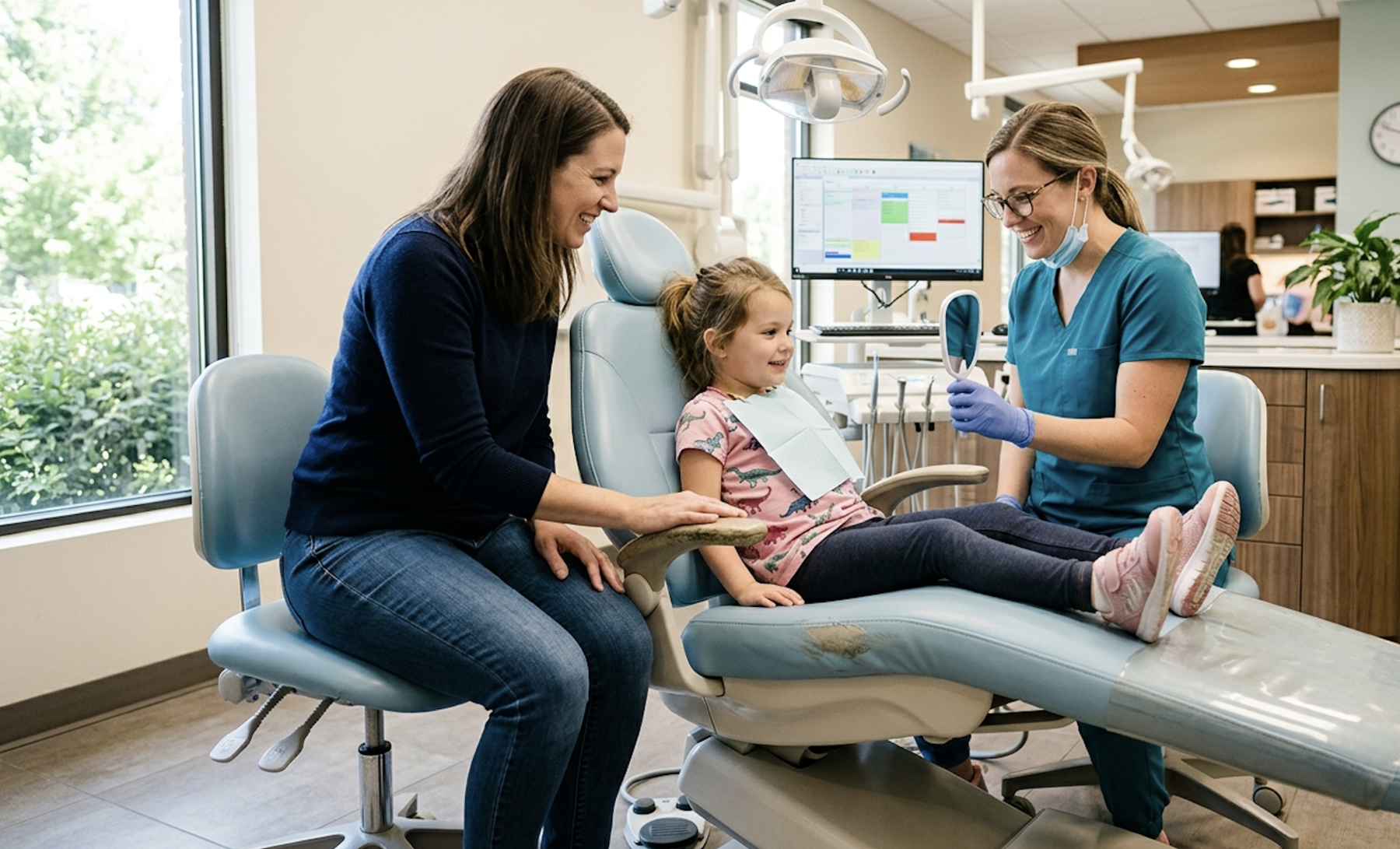
Pediatric X-Rays: What We Take, When We Take Them, and Why
Parents ask about X-rays more than almost anything else, and it is a fair question to ask. We only take them when there is a clinical reason to, and our digital equipment uses a fraction of the radiation that older film-based systems did.
They let us see things a visual exam cannot catch:
- Decay forming between teeth
- How permanent teeth are developing under the gums
- Early signs of other issues before they become visible
We typically begin routine X-rays around age five, taken every six months as part of regular preventive care. Before that, we only take them if we spot something during the exam that warrants a closer look. It is a straightforward approach: no X-rays just to check a box, and no waiting if we see a reason to act sooner.
The American Dental Association’s guidance on dental X-rays supports this individualized approach. Ask us anything about our pediatric X-rays process, and we will walk you through it at your child’s next visit.
Special Needs Dental Care: We Know How to Take It Slow
Some kids need more than a gentle touch. Sensory sensitivities, anxiety, developmental differences, and other challenges can make a routine dental visit feel impossible, and a lot of parents have already been through a bad experience somewhere else before they find us. The AAPD’s guidance on children with special health care needs highlights how many children go without dental care simply because providers are not set up to help them.
Dr. Ahmad has worked with neurodivergent children and special-needs patients throughout her career, so extra time and step-by-step explanations are part of how we work, not exceptions we make. For some children, the first appointment is just getting familiar with the space. That is fine with us.
Tell us what your child needs when you book, and we will build the visit around that. Our special needs dental care is something we are genuinely set up for, not just willing to try.
If your child has needs that require extra planning, call us first. We would rather hear everything upfront so the appointment is set up to go well. Saturday hours available.
An Orthodontic Evaluation Gives You a Head Start
Early orthodontic evaluations are not about putting braces on a six-year-old. They are about catching bite and alignment issues while a child’s jaw is still growing, when there are more options and treatment tends to be simpler.
We look at spacing, jaw development, and how the permanent teeth are coming in. A referral is only recommended when we genuinely see something that calls for one, and we will explain exactly why. Everything looking on track is just as useful an outcome. Bring up orthodontic evaluation at your child’s next checkup, and we can work it into the visit.
Children’s Tooth Extractions: Straightforward When They Are Needed
Hearing that your child might need a tooth pulled is never fun news. For a baby tooth that is badly decayed, infected, or blocking the proper eruption of a permanent tooth, though, it is sometimes the simplest path to a healthier outcome. Dr. Ahmad takes a conservative approach and only recommends extractions when they are genuinely the best option for your child’s long-term dental health.
We explain what is happening in language your child can follow, and we offer nitrous oxide to take the edge off for kids who need it. The appointment stays calm and unhurried from start to finish.
If another dentist has raised this as a possibility and you want a clearer picture or a second opinion, ask us about children's tooth extractions, and we will walk you through what to expect before anything is scheduled.

Baby Teeth Care Matters More Than Most Parents Realize
Baby teeth do not last, but they matter while they are there. They hold space for permanent teeth, support how children eat and speak, and when one is lost too early from decay, nearby teeth can shift and create crowding problems later.
Brushing starts as soon as that first tooth comes in, and regular dental visits let us catch anything worth watching early. We help parents know what to do at every stage, from infancy through the toddler years. The American Academy of Pediatrics provides home care guidance for every stage of childhood that complements what we cover in the office. Call us to get your child started or to ask about baby teeth care.
Questions Parents Ask Us About Kids’ Dental Care
How old should my child be when they see the dentist for the first time?
The American Academy of Pediatric Dentistry recommends a first visit within six months of the first tooth coming in, or no later than age one. Starting that early lets us track how the teeth are developing and helps your child get comfortable before they are old enough to be nervous about it. Older kids who have not been yet are welcome too. Bring them in and we will go from there.
What if my child has not seen a dentist in a long time?
There is no lecture waiting for you here. Life gets busy, kids go through phases, and plenty of families have had trouble finding a dentist who fits their schedule or takes their insurance. Whatever the reason, we will look at where things stand and tell you what needs attention, if anything. Come in and we will take it from there.
Does Tooth Doc accept Medicaid and Smiles for Children for pediatric visits?
Yes. We participate in Virginia’s Smiles for Children program, which covers diagnostic, preventive, restorative, and certain other dental services for children enrolled in Medicaid, FAMIS, or FAMIS Plus through age 21. Enrollment is automatic for children with qualifying coverage, and no separate dental card is needed. Reach out, and we can confirm your child’s coverage before the visit.
My child does well at most appointments but panics at the dentist. What can you do?
Quite a bit. Dr. Ahmad believes the most important thing is building a positive experience from the start, so kids have their favorite shows on, leave with prizes, and know the visit is something to look forward to, not dread. We walk them through each step before it happens and move at their pace. For children who need extra support, nitrous oxide is also an option. Tell us about your child's triggers when you book and we will plan accordingly.
When should I be thinking about braces for my child?
Around age seven, enough permanent teeth are usually in place to give a clear picture of how the bite and jaw are developing. The American Association of Orthodontists recommends a first screening around this age, and we can work that evaluation into a regular visit. Most children do not need intervention that early, but the ones who do benefit most from catching it while the jaw is still growing.
Have more questions? Browse our full pediatric dentistry FAQs for more answers.
Testimonial
Amazing experience! The team was so patient and kind with my neurodivergent child. They explained every step so she knew what to expect, gave her sensory toys, and made the visit calm and stress-free. No rushing, no judgment — just real compassion. She even left smiling with a prize! If you want a dentist who truly understands kids and treats them with respect, this is the place.
- Nisrine
Frequently Asked Questions
Looking for a dentist who takes Medicaid can come with a worry that has nothing to do with teeth. Will the office treat you differently once they see how you're paying? It's a fair question to carry into a search, and it deserves a straight answer before you ever pick up the phone. Here's what Virginia's Medicaid dental coverage actually includes and what a visit here looks like once you walk in.
Understanding Virginia Medicaid Dental Benefits
Virginia Medicaid provides dental benefits for eligible children and adults through Cardinal Care Smiles, also commonly known as Smiles for Children. Depending on your coverage and eligibility, benefits may include preventive care such as exams and cleanings as well as treatment such as fillings and other necessary dental services.
Because benefits can differ based on age, eligibility, and the type of treatment needed, you don't need to sort through the details yourself before making an appointment. Give our office a call with your information, and our team can help verify your dental benefits and explain what may be covered before your visit.
Good Care Doesn't Depend on How You Pay for It
Some people expect a Medicaid-accepting office to feel rushed, or to treat Medicaid patients as a lower priority than everyone else. That's not how we see it here. Dr. Ahmad's whole approach is built around explaining every step and never pushing treatment a patient doesn't need, and that doesn't change based on which card is on file. Families on Medicaid and Smiles for Children get the same unhurried exam and the same plain-language explanation as anyone else. We'll explain any recommended treatment and answer your questions so you understand your options before moving forward.
What to Bring to Your First Visit
A little preparation makes the first appointment faster. Bring a photo ID, your Medicaid or Smiles for Children card, and any referral paperwork if your plan requires one. If your child is the patient, bring their Medicaid card along with your own ID as the parent or guardian. None of this needs to be perfect. Not sure what you need? Call us before your appointment and our team will let you know what information to have ready.
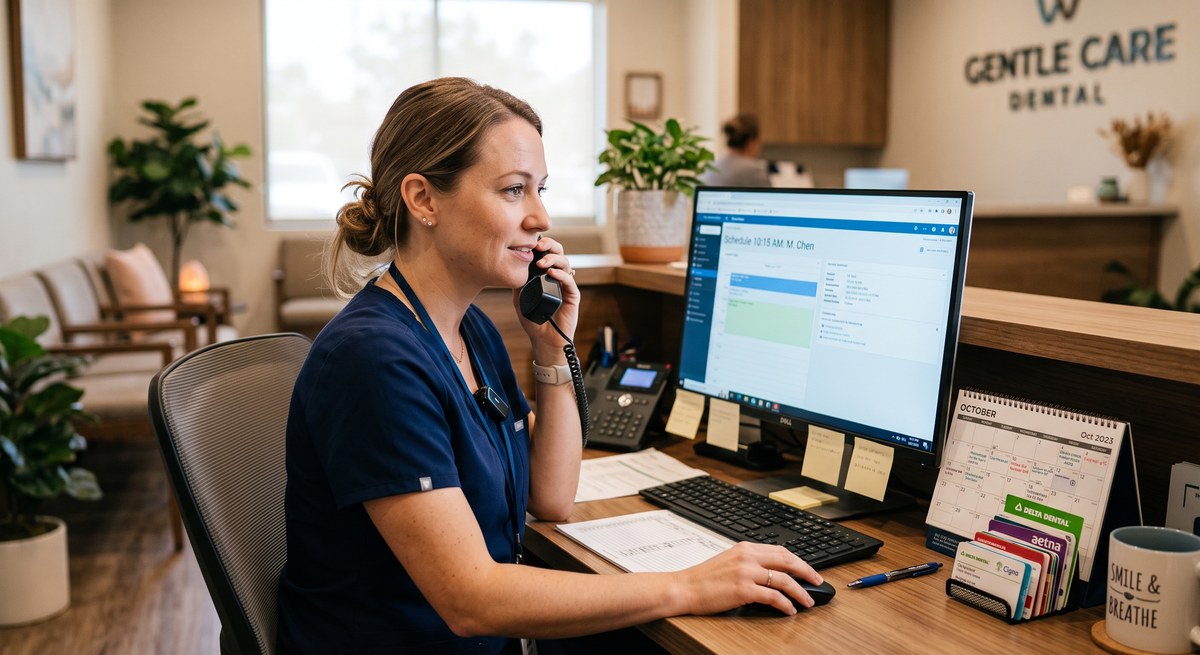
Call Us Before Your Visit and We'll Help You Check
Medicaid dental coverage can vary depending on your age, eligibility, and specific benefits, and you shouldn't have to figure all of that out on your own. If you're looking for a Medicaid dentist in the Herndon, Reston, or Sterling area, give our office a call. Our team can check your coverage, help you understand your dental benefits, and let you know what to expect before you schedule your visit.
It's a question we handle regularly, so don't hesitate to call, even if you're not sure exactly what type of Medicaid dental coverage you have. We'll help you figure it out.
You're Welcome Here However You Pay
If you have Virginia Medicaid or Smiles for Children and aren't sure about your dental benefits, give our Herndon office a call. Our team will be happy to check your coverage and help you get started. We keep Saturday hours, we see the whole family, and Medicaid and Smiles for Children patients are simply patients here, not a separate tier of care.
Request an Appointment when you're ready.
Call (703) 793-0076 to confirm your specific Medicaid or Smiles for Children plan before you come in. We're glad to check for you.
Starting your child off right with the dentist is important. We recommend your child's first “well-baby” dental exam as soon as their first tooth grows in or no later than one year of age. Starting dental visits at a young age not only helps prevent dental caries in baby teeth but also teaches your child that a trip to the dentist is nothing to be afraid of.
Cavities in toddlers are becoming more prevalent, and it's important to treat these cavities, even in baby teeth. Untreated cavities can not only lead to pain, discomfort, and swelling, but baby teeth also serve important functions in ensuring your child's permanent teeth grow in properly.
If a baby tooth is lost early and the space is not maintained, permanent teeth can grow in improperly, resulting in crowded teeth, uneven gaps, and crooked teeth. Once the permanent teeth come in, the only way to fix these problems is through orthodontic treatment.
Many adults with a fear of dentists developed this fear as children. Keeping a positive attitude about the dentist, talking about good dental health with your kids, and creating a friendly relationship between your children and our dental staff will all help keep the chances of fear of the dentist from following them into adulthood. Dr. Ahmad also uses the "tell, show, do" method when performing dental procedures, helping your child to understand what is happening and allay their fear of the unknown.
If your child has their first tooth or is a year old and has not yet seen the dentist, call today to schedule their first visit.
Our Team
-
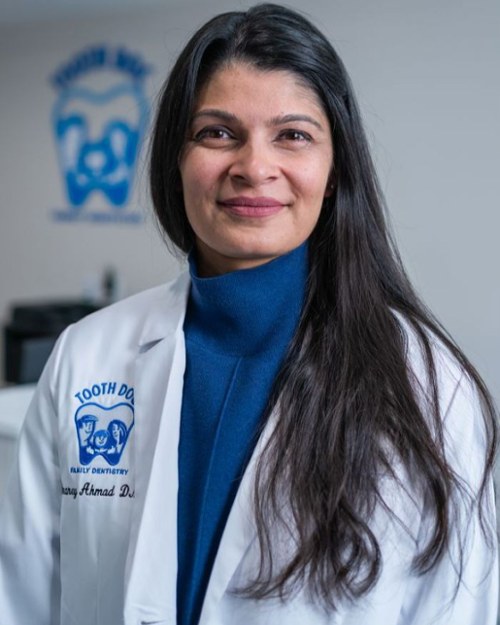
Imaney N. Ahmad DMD
Dentist
ViewDr. Ahmad proudly serves patients in the Herndon, VA community, including Reston and Sterling. Originally from New York and Central Florida, she earned her Doctorate in Dental Medicine from Temple University’s Kornberg School of Dentistry in 2010.
During her time in Philadelphia, Dr. Ahmad gained extensive clinical experience treating one of the nation’s largest dental school patient populations, with a special focus on serving underserved and uninsured communities in North Philadelphia. That experience helped shape her deep commitment to community care and access to quality dentistry.
Dr. Ahmad is a …